The Vietnam Museum of Ethnology: Why It’s Hanoi’s Best Hidden Gem
Thứ sáu, Ngày 26/06/2026 12:15
If you ask a local where to go in Hanoi to truly understand Vietnam, they won't just point you to the Old Quarter. They will tell you to jump in a Grab and head straight to the Vietnam Museum of Ethnology (Bảo tàng Dân tộc học Việt Nam).
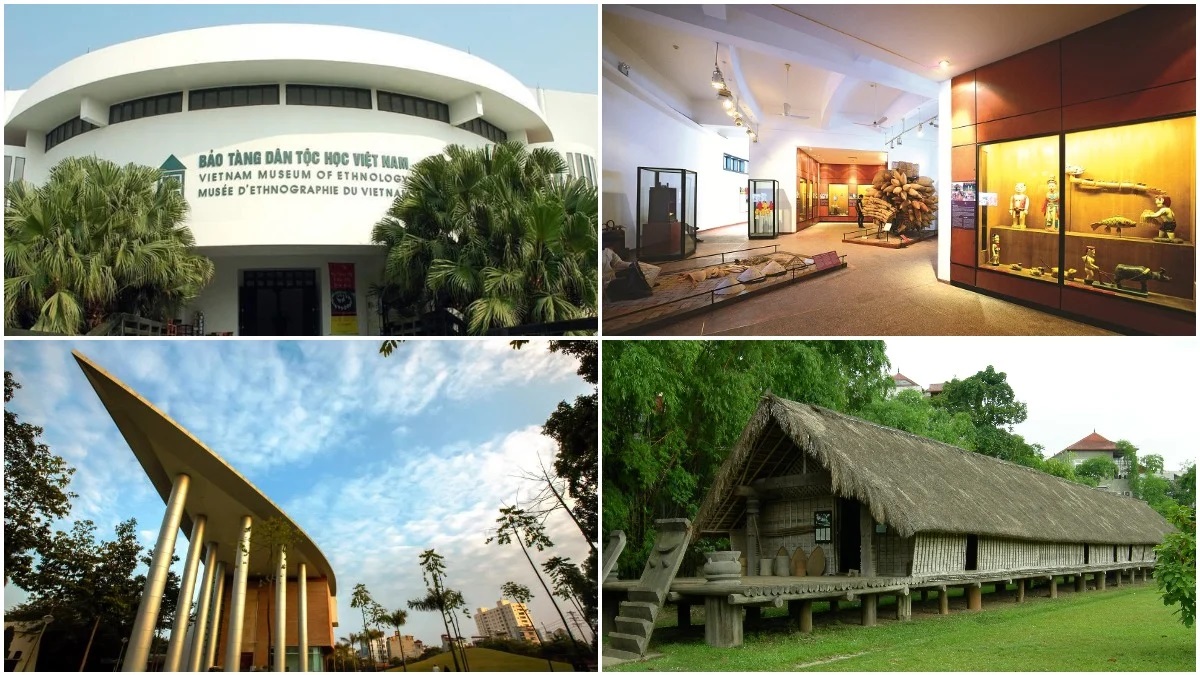
Most people think museums are just dusty rooms filled with glass cases and boring captions. But this place is completely different. It is a living, breathing cultural village right in the middle of the bustling capital. Spanning over 4 hectares, it offers an immersive look into the daily lives, beautiful traditions, and secret stories of Vietnam’s 54 ethnic groups.
If you want to feel the true soul of Vietnam before heading off to the mountains of Sapa or Ha Giang, here is your ultimate, honest guide to exploring this incredible place.
1. Essential Logistics: Tickets, Hours, and Getting There
Let’s get the practical stuff out of the way so you can plan your day smoothly:
- Opening Hours: Tuesday to Sunday, from 8:30 AM to 5:30 PM. The museum is closed every Monday.
- Entrance Fee: 40,000 VND (less than $2 USD) per adult. It is incredibly cheap for the amount of value you get. Students pay just 15,000 VND (bring your ID!).
- How to get there: The museum is located on Nguyen Van Huyen Street, Cau Giay District. It is about 8 km from the Old Quarter. The easiest way is to book a Grab car or motorbike—it takes about 25 minutes and costs around 80,000 – 120,000 VND.
2. What Makes This Museum So Special? (The Hidden Highlights)
The museum is split into three main areas, and each one feels like stepping into a different world.
The Trong Dong (Bronze Drum) Building: A Walk Through Time
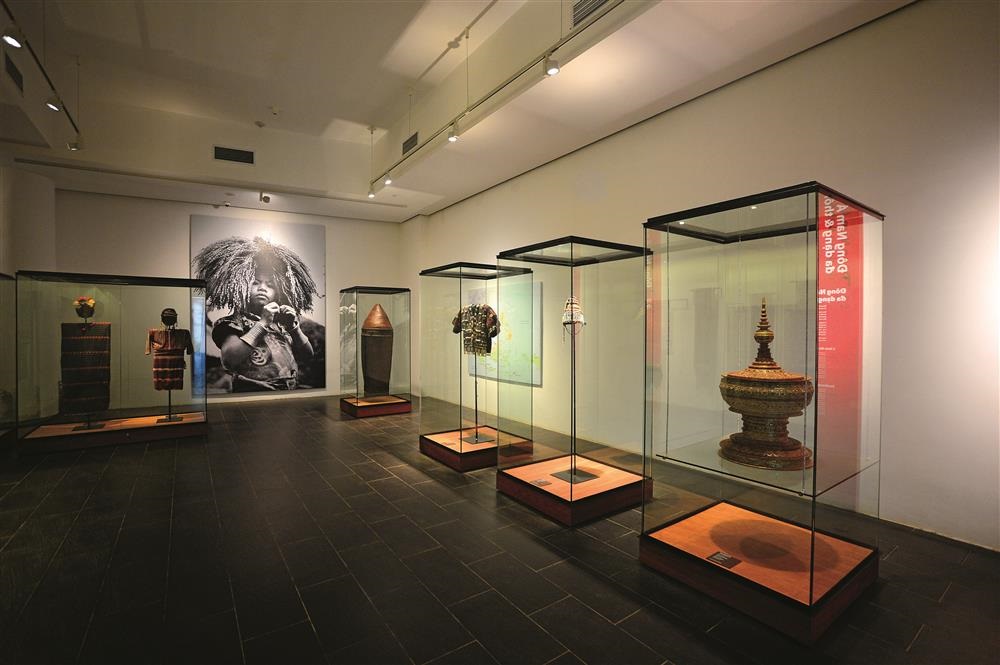
As soon as you walk in, you will enter the main indoor exhibition. Shaped like a traditional bronze drum, this building houses thousands of authentic, everyday objects collected from real families across Vietnam.
- What you’ll see: Intricate handmade traditional costumes, unique jewelry, musical instruments made of bamboo, and even tools used for hunting and farming.
- Why it’s great: You don't need a translator. Every single exhibit has clear, fascinating descriptions in English, French, and Vietnamese. You will learn about love courts, wedding rituals, and the deeply spiritual funeral traditions of different tribes.
The Outdoor Architectural Garden: The Real Magic
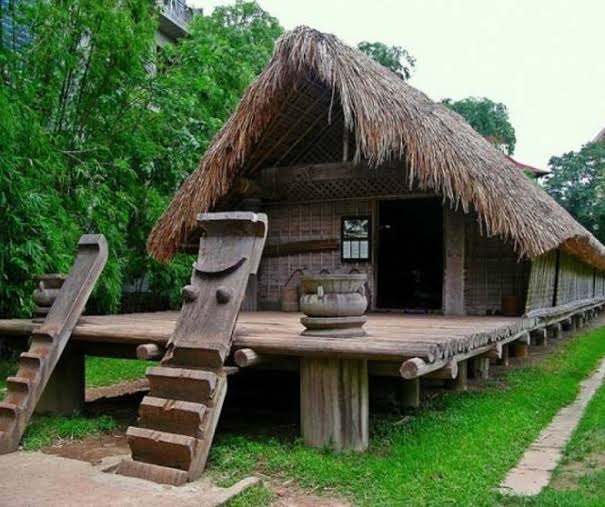
This is where the museum truly wins everyone's heart. Instead of looking at photos of houses, the museum actually brought 10 authentic, full-scale traditional houses from the mountains and central highlands and rebuilt them here.
You aren't just allowed to look—you are encouraged to kick off your shoes and climb inside!
- The Bahnar Rong House: You cannot miss this. It features a jaw-dropping, towering thatched roof that looks like a giant axe blade piercing the sky. It serves as the communal heart of the village.
- The Ede Longhouse: A remarkably long wooden house built on stilts. Walk down the creaky wooden floorboards and notice the breasts carved onto the stairs—a beautiful symbol of the Ede people's matriarchal society, where women rule the household.
- The Giarai Tomb: A fascinating, slightly eerie structure surrounded by raw, expressive wooden statues that represent the cycle of life, grief, and rebirth.
Inside the garden, the air feels completely fresh. It is shaded by giant trees, making it a peaceful escape from Hanoi’s notorious traffic honking.
The Southeast Asia Kite Building
If you have some extra time, check out this modern, kite-shaped building. It expands your journey beyond Vietnam, showcasing the rich fabrics, arts, and daily lifestyles of neighboring countries like Laos, Cambodia, Thailand, and Indonesia.
3. Weekend Exclusives: Water Puppets and Local Crafts
If possible, visit on a Saturday or Sunday. The museum comes alive with extra cultural activities that you don't want to miss:
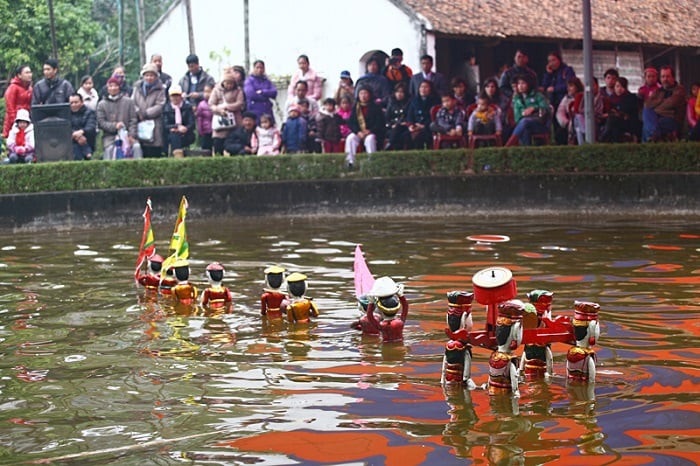
- Water Puppet Shows: Skip the crowded, expensive theaters in the Old Quarter. Here, you can watch authentic water puppetry in the outdoor pond, accompanied by live traditional music. It feels much more rustic and genuine.
- Living Heritage: Sometimes, the museum invites actual artisans from remote villages to demonstrate how they weave silk, make pottery, or play ancient instruments.
4. Insider Tips for an Amazing Visit
To make sure you have the best experience possible, keep these local tips in mind:
- Wear slip-on shoes: Since you will be climbing in and out of traditional stilt houses, you will need to take your shoes off frequently. Avoid boots with complex laces!
- Watch your step: The wooden steps leading up to the stilt houses can be very steep, narrow, and slippery after a quick Hanoi rain shower. Hold onto the railings.
- Give yourself time: Don’t rush this. Budget at least 2.5 to 3 hours to wander around at a relaxed pace, take photos, and sit down for a cold drink in the garden.
- Hire a guide at the counter: If you are a deep history enthusiast, hiring a local museum guide (available in English and French) is highly recommended. Their personal stories and insights bring the wooden walls to life.
Final Thoughts: Is it Worth It?
Absolutely, yes. The Vietnam Museum of Ethnology is not just a place to look at the past; it is a bridge that connects you directly to the diverse, vibrant people who make up modern Vietnam. It is respectful, incredibly educational, and highly engaging.
Before you buy your tickets to Sapa or book that cruise in Ha Long Bay, spend a morning here. It will completely change the way you see the country and its beautiful people.
Reach out Viet Sunshine travel for superior itinerary panning to enhance your appreciation of Hanoi's landscape